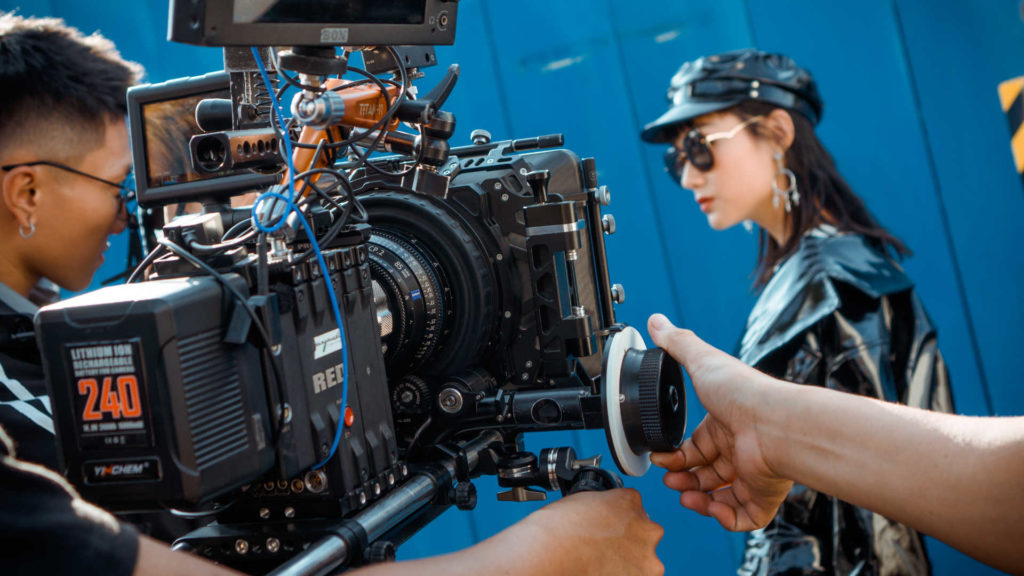
 Embarking on a directorial journey requires an understanding of crucial filmmaking techniques that transform creative visions into compelling cinematic experiences. For aspiring directors, mastering these techniques is fundamental to crafting stories that captivate audiences and resonate on multiple levels. This exploration into the core practices of filmmaking will equip you with the knowledge to enhance your directorial prowess and bring your artistic ideas to fruition.
1. Mastering the Art of Composition
Composition is the bedrock of visual storytelling. It involves arranging visual elements within the frame to create aesthetically pleasing and narratively effective shots. Key principles include the rule of thirds, leading lines, and framing, which guide the viewer’s attention and enhance the emotional impact of a scene. Understanding how to use these compositional techniques can significantly influence the visual language of your film, making each frame a deliberate and meaningful component of your narrative.
2. Effective Use of Camera Angles and Movements
Camera angles and movements are essential tools for conveying mood, character perspectives, and plot dynamics. Whether employing a high-angle shot to evoke vulnerability or a low-angle shot to assert power, the choice of camera angle can profoundly affect audience perception. Camera movements, such as pans, tilts, and tracking shots, further augment the storytelling by adding dynamism and rhythm to scenes. Mastery of these techniques allows directors to manipulate how viewers experience and interpret the story.
3. Crafting Dynamic Performances
Directing actors to deliver authentic and compelling performances is a pivotal aspect of filmmaking. This involves clear communication, understanding actors’ strengths, and creating an environment that fosters creativity and spontaneity. Techniques such as effective rehearsal methods, precise blocking, and the use of emotional cues help in guiding actors to embody their roles fully. Crafting dynamic performances can elevate the overall impact of your film, making characters more relatable and engaging.
4. Mastering the Art of Editing
Editing is where the film truly comes to life. It involves selecting, arranging, and refining footage to construct a coherent and compelling narrative. Key editing techniques include pacing, transitions, and continuity, which are vital for maintaining narrative flow and enhancing the storytelling experience. Mastery of editing not only involves technical skills but also a deep understanding of how to shape the film’s rhythm and emotional trajectory.
5. Utilizing Sound and Music Effectively
Sound design and music play crucial roles in shaping the atmosphere and emotional tone of a film. Effective use of diegetic and non-diegetic sounds, along with a well-crafted score, can significantly enhance the viewer’s immersion and emotional engagement. Techniques such as soundscaping, audio layering, and strategic music placement help in creating a rich auditory experience that complements the visual elements and reinforces the film’s narrative themes.
6. Implementing Lighting Techniques
Lighting is an indispensable element in setting the mood and tone of a film. Techniques such as three-point lighting, chiaroscuro, and practical lighting can dramatically influence the visual style and emotional resonance of a scene. By manipulating light and shadow, directors can create depth, highlight key elements, and evoke specific atmospheres. Mastery of lighting techniques enables directors to visually articulate the narrative and character dynamics with precision.
7. Embracing Innovation and Experimentation
While understanding traditional filmmaking techniques is essential, embracing innovation and experimentation can set your work apart. This includes exploring new technologies, unconventional narrative structures, and unique visual styles. Innovation allows directors to push boundaries and explore fresh approaches to storytelling, offering new ways to engage and captivate audiences. Experimenting with different techniques can lead to distinctive and memorable cinematic experiences.
Conclusion: The Art and Science of Directing
In summary, mastering essential filmmaking techniques is vital for aspiring directors aiming to craft impactful and engaging films. From composition and camera work to performance direction and sound design, each technique plays a crucial role in shaping the final cinematic product. By honing these skills and remaining open to innovation, directors can elevate their craft and bring their creative visions to life with sophistication and artistry.